He did not go to Russia to fight. When 18-year-old A.H. from Termez set off for work in August 2024, his goal was simple: to work in a warehouse and earn money. However, on March 24, 2025, the young migrant, driven by the desire to earn more, signed a contract with the Russian Armed Forces. He was promised a monthly salary of 230,000 rubles, a military ID, and equipment. After brief military training, he was deployed directly to a frontline hotspot in Luhansk.
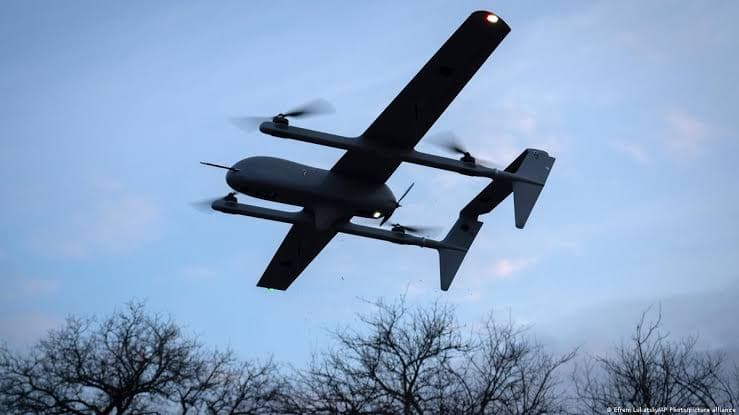
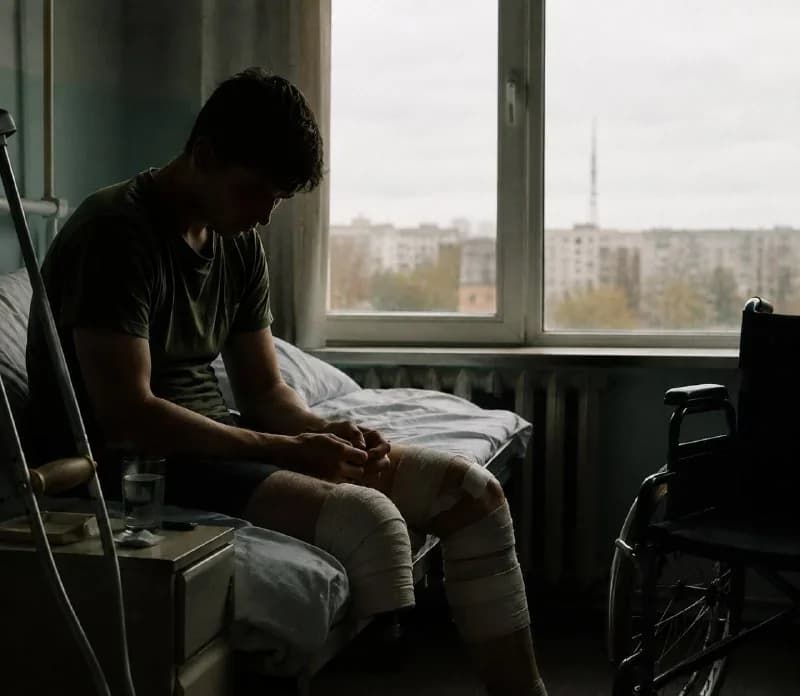
The frontline quickly proved that the promised money would come at the cost of blood. In his very first days of combat, A.H. sustained leg and head injuries from a drone explosion. After recovering in a hospital, he was sent back to the front to deliver ammunition. However, on August 19, 2025, another drone explosion left him with severe injuries across his entire body. He spent 35 days fighting for his life in a Moscow military hospital.
The brush with death changed the young man's perspective, and he completely abandoned his intention to participate in the war. In October 2025, taking advantage of a two-month leave, he fled to Turkey and began studying at a university in Ankara. Yet, accountability before the law was inevitable; on March 3, 2026, he returned to Uzbekistan.
During the investigation, photos of his military contract, identification tag, and weapons were found in his Google Photos account on his Redmi Note 7 phone. In court, the young man expressed deep remorse for his actions. Taking into account his lack of a prior criminal record, his family circumstances, and the severe injuries he sustained, the court sentenced him to 3 years and 6 months of restricted freedom rather than imprisonment. This case serves as a bitter lesson for young people who join foreign wars in pursuit of easy money.