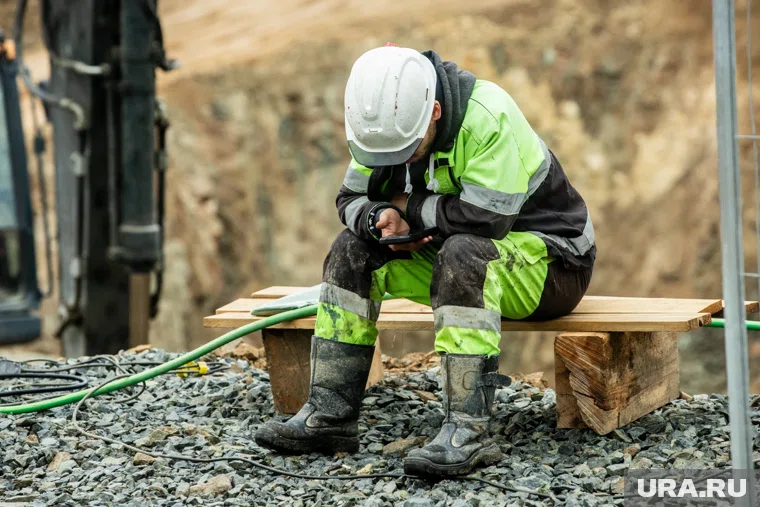
Russian construction companies are being forced to raise wages to retain employees amid a decline in the workforce and difficult working conditions. Since the beginning of 2026, incomes have increased significantly, especially for installers, welders, and construction site managers.
According to recruitment service data, in August 2026, there were 13.2 thousand vacancies for installers and 14.1 thousand for welders. Additionally, 8.5 thousand vacancies were announced for concrete workers, bricklayers, and steel fixers. Demand for installers has increased by 105 percent compared to the beginning of the year, and for welders by 44 percent.
The average offered salary is as follows: construction project manager — 150,000 rubles, foreman and construction-installation work supervisor — 135,000 rubles, installer — 97,500 rubles, welder — 80,000 rubles, slinger — 77,500 rubles, and 70,000 rubles for painters and plasterers.
Experts note that wage growth is primarily aimed at skilled workers and line managers. However, a shortage of personnel in the industry persists. This is caused by factors such as harsh working conditions, 12-hour workdays, and in some cases, the failure of employers to conclude employment contracts.
Experts advise workers not to rely on verbal agreements and to always sign an official employment contract. The Russian Ministry of Construction has developed a personnel policy plan for 2027–2030, planning to take measures to increase the attractiveness of labor and regulate wages for specialists in the industry.