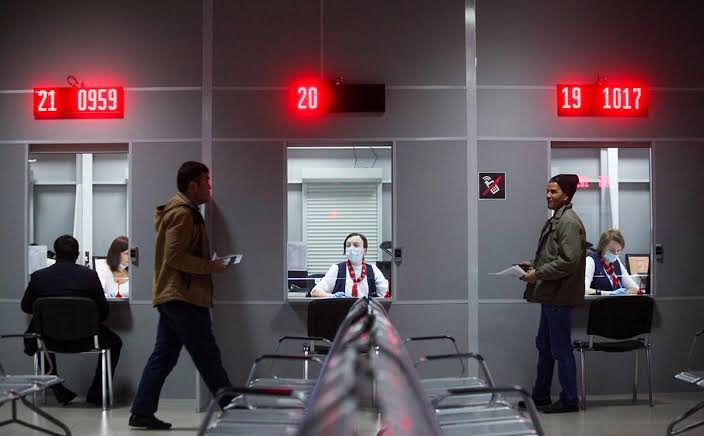
The process of obtaining citizenship of the Russian Federation is divided into general and simplified procedures. To obtain citizenship under the general procedure, it is required to reside continuously in Russia for at least 5 years on the basis of a residence permit (VNJ), have a legal source of income, possess knowledge of the Russian language, and comply with migration legislation. During this period, leaving the country for more than 3 months per year is not permitted.
The simplified procedure allows for shortening the process to between 3 and 6 months. To utilize this procedure, one must have specific grounds, such as proficiency in the Russian language, being married to a Russian citizen (for at least 3 years), having graduated from a Russian university and worked for one year, being a highly qualified specialist, or participating in the state program for the resettlement of compatriots.
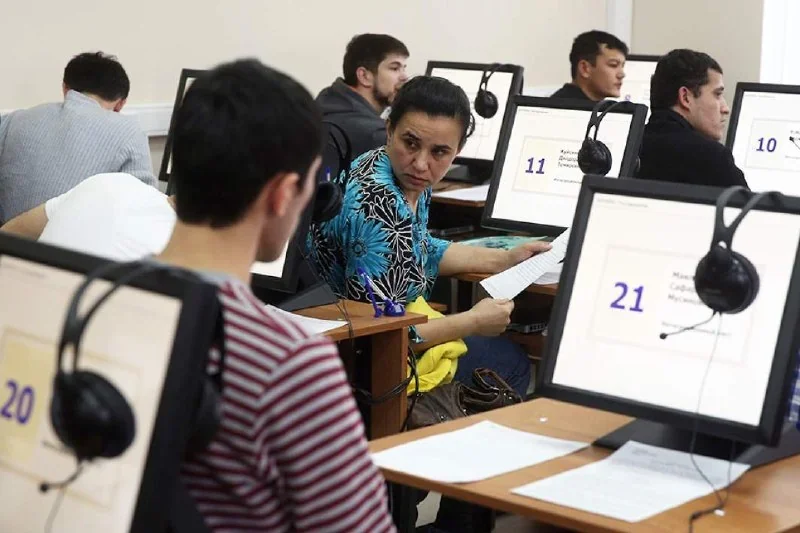
When applying for citizenship, it is mandatory to pass an examination on the Russian language, Russian history, and the basics of legislation, or to provide relevant educational documents. Additionally, the applicant must confirm their legal income (2-NDFL certificate, employment contract, or bank documents) and demonstrate official employment.
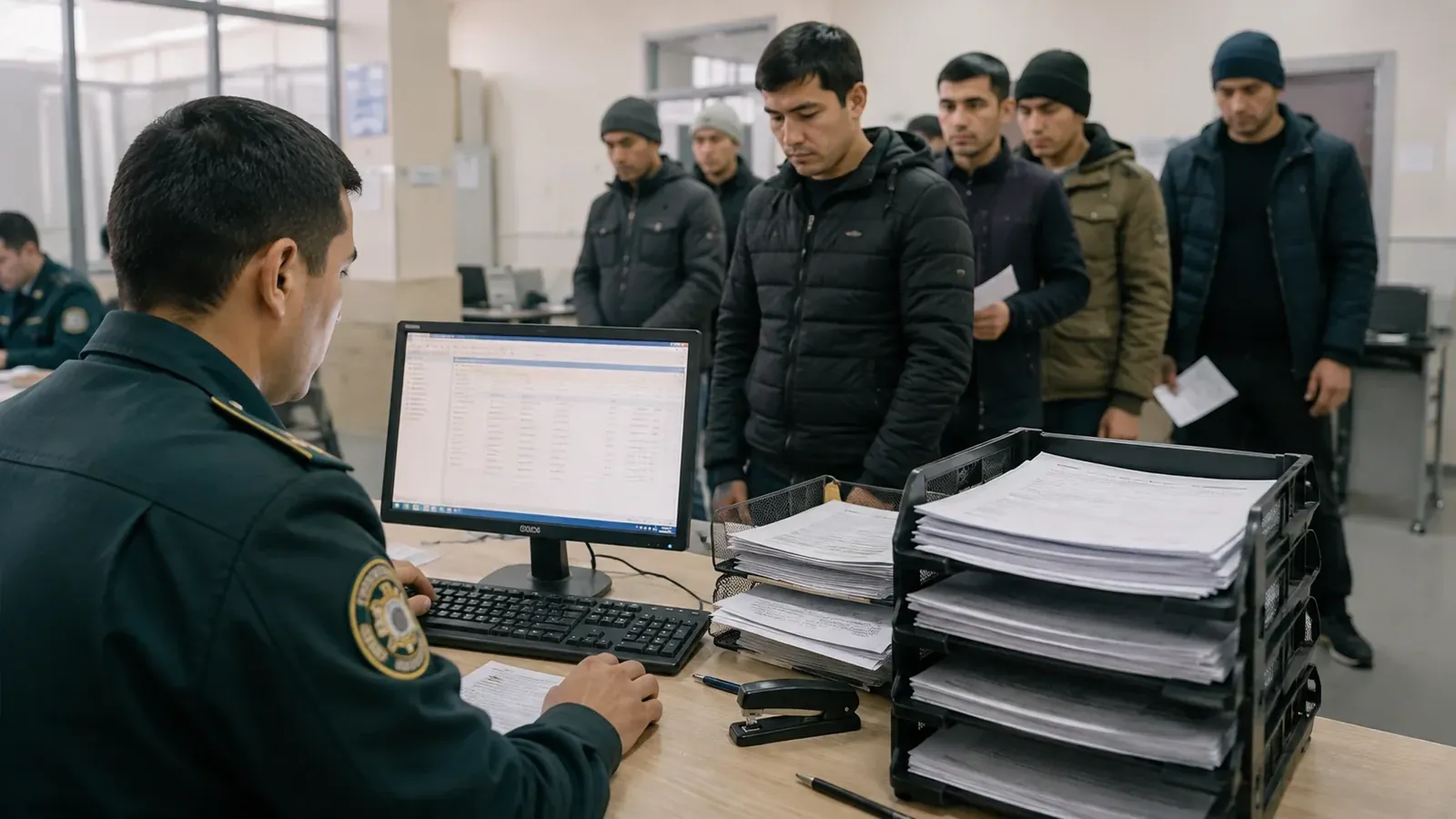
Common mistakes when preparing documents include the lack of notarized translations, insufficient information regarding income, and errors in application forms. Furthermore, an application may be rejected if medical certificates or other documents have expired.
Violations of migration regulations, including the presence of fines or fictitious registration, can negatively impact the citizenship process. It is recommended that every applicant fully document their grounds and verify the accuracy of all information provided.