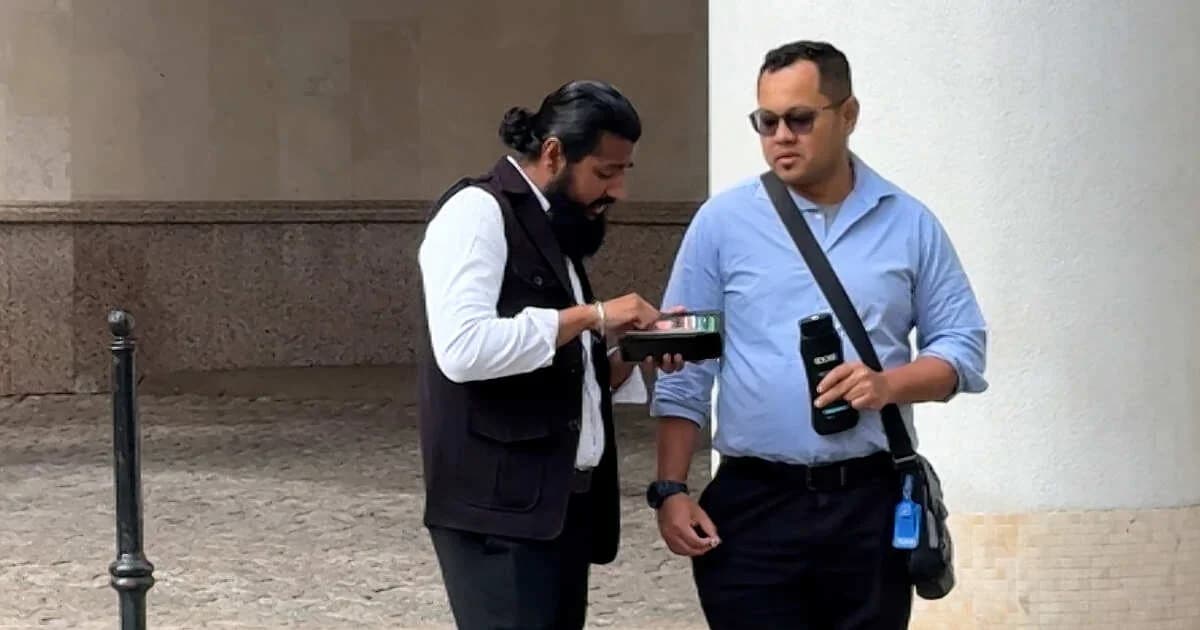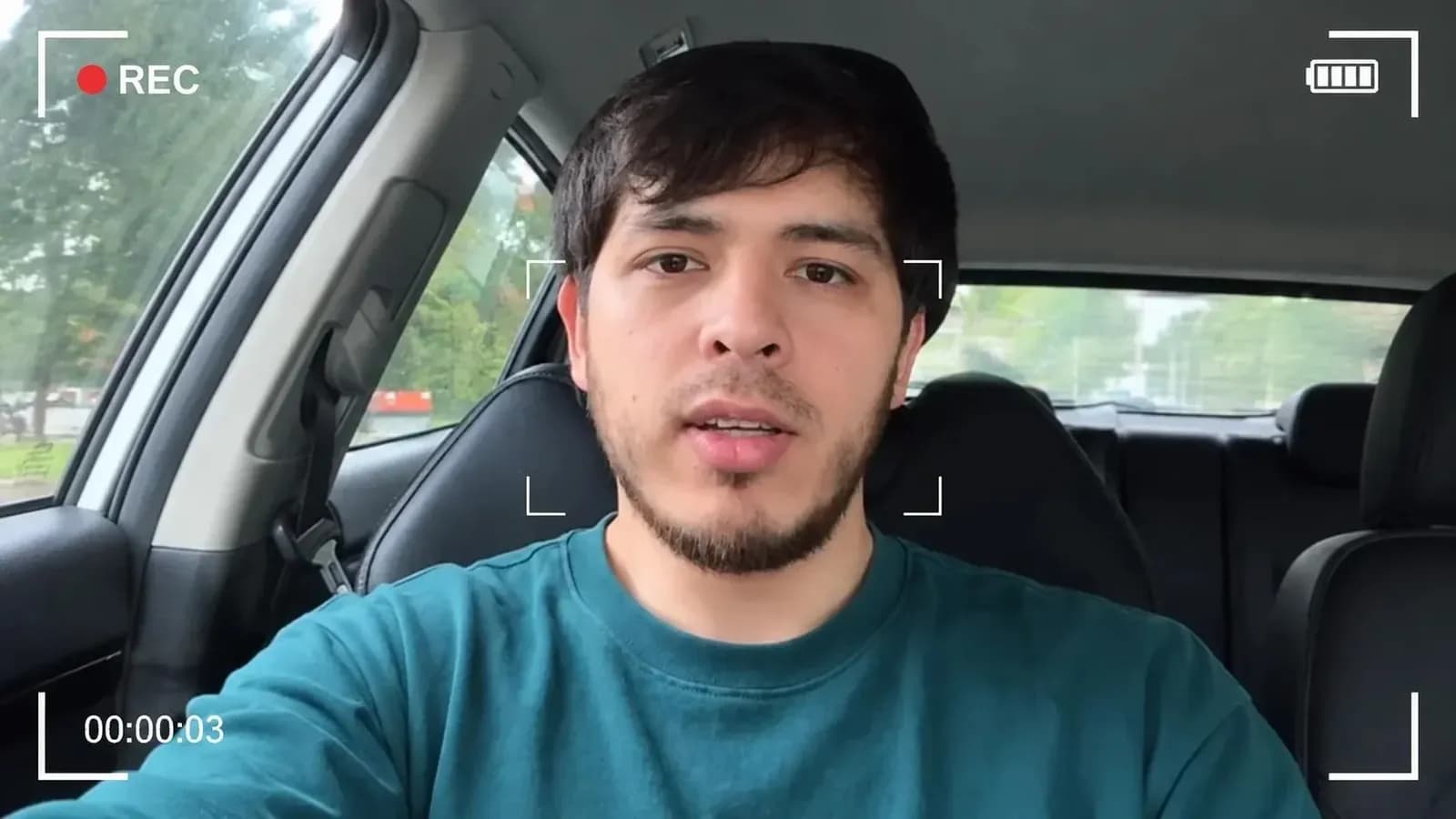
A video appeal to Russian President Vladimir Putin has circulated on social media, recorded by Mukhtar Abdullaev, a blogger and taxi driver in Moscow who identified himself as a native of Uzbekistan and a citizen of the Russian Federation.
In the appeal, he requests the "revival" of the "Uzbek diaspora" in Moscow and asks to be appointed as its leader. First and foremost, this video was posted on a social network whose activities are banned in Russia and recognized as extremist; therefore, Russian state bodies do not accept posts on banned platforms as official appeals. This indicates that the action is aimed not at solving a problem, but at gaining attention and creating hype on social networks.
"Reviving" the Uzbek diaspora in Moscow through such a video is legally impossible, as on May 7, 2024, the Moscow City Court, following a lawsuit by the Russian Ministry of Justice, officially liquidated the "Uzbek National-Cultural Autonomy of the City of Moscow." The organization was liquidated because it had failed to submit financial reports to the Ministry of Justice for several years, was not present at its registered legal address, and ignored official warnings.
According to Russian legislation, the country's president does not have the authority to appoint heads of public organizations; leaders of public associations are determined not by the state, but through the general meeting and election of founders.
In accordance with the Russian Federal Law "On Public Associations," any person wishing to protect the rights of individuals of Uzbek nationality is required to form a new charter with at least three other citizens and undergo official registration with the Ministry of Justice. Appeals to the head of state are sent only via the official electronic reception (letters.kremlin.ru) or by mail. In summary, M. Abdullaev's appeal lacks legal literacy, and leadership of public organizations in Russia is determined not by internet videos, but by legal procedures and court decisions.