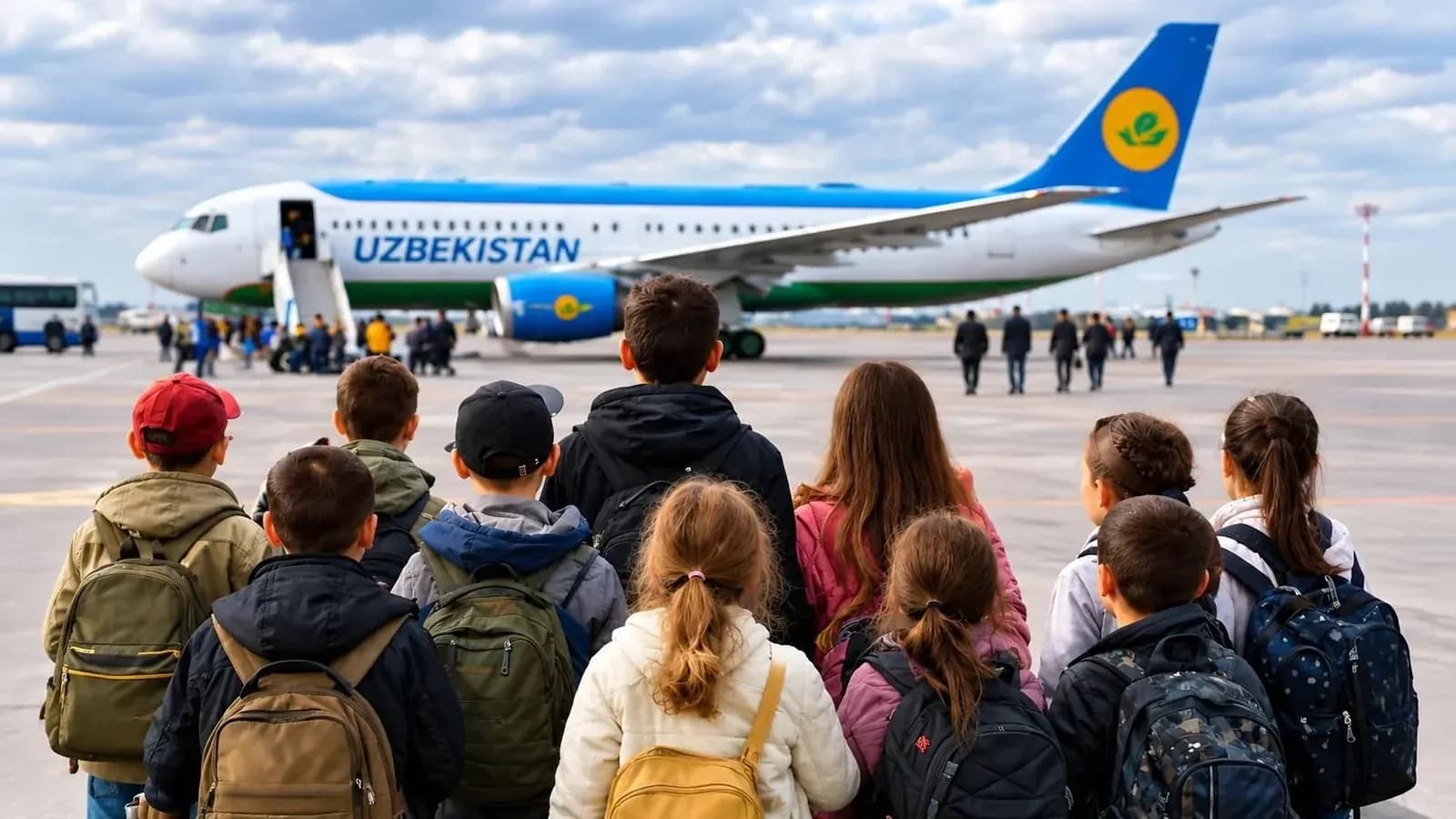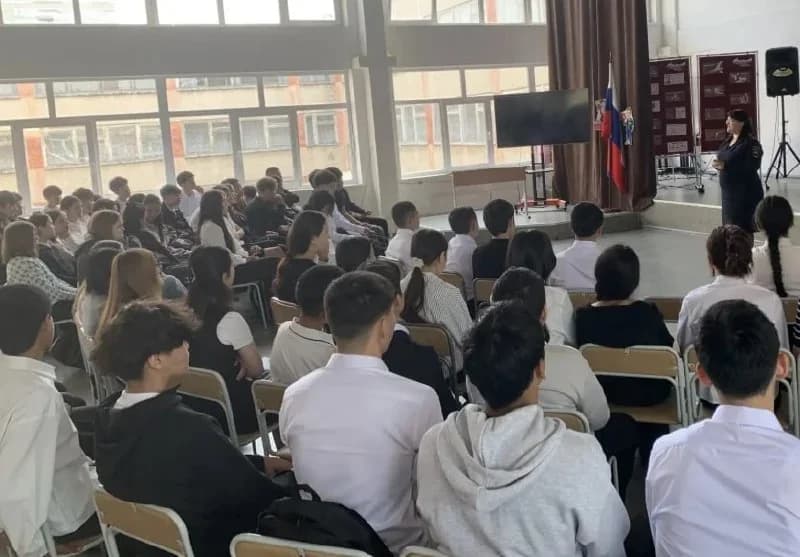
The situation observed at secondary school No. 149 in Yekaterinburg has brought the issue of the share of migrant children in Russian educational institutions to the forefront. According to reports, nearly 98 percent of the students at this school are children from families who have arrived from Central Asian countries.
According to statistics, children from Tajikistan, Kyrgyzstan, and Uzbekistan make up a significant portion of the student body. The environment in the educational institution and the level of Russian language proficiency among students are causing various discussions among the local public and social media users.
Under Russian law, the level of Russian language proficiency is of great importance for admission to general education schools. In cases where a language barrier exists, students may find it difficult to master the curriculum. For this reason, it is recommended to pay special attention to language preparation and the adaptation process when enrolling migrant children in schools.
Experts emphasize that education for school-age children is a decisive factor for their future social integration. Parents need to help develop their children's language skills in advance to ensure their successful admission to school and participation in the learning process.