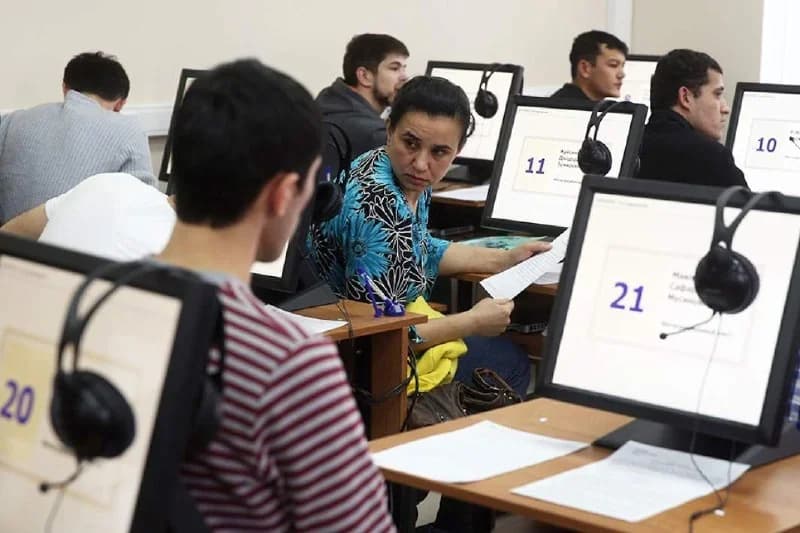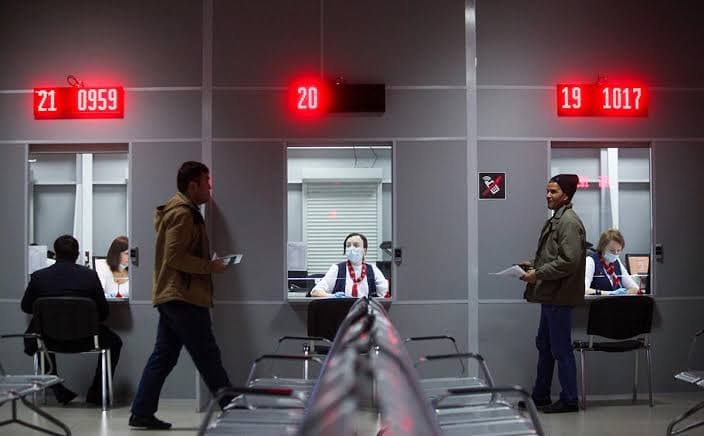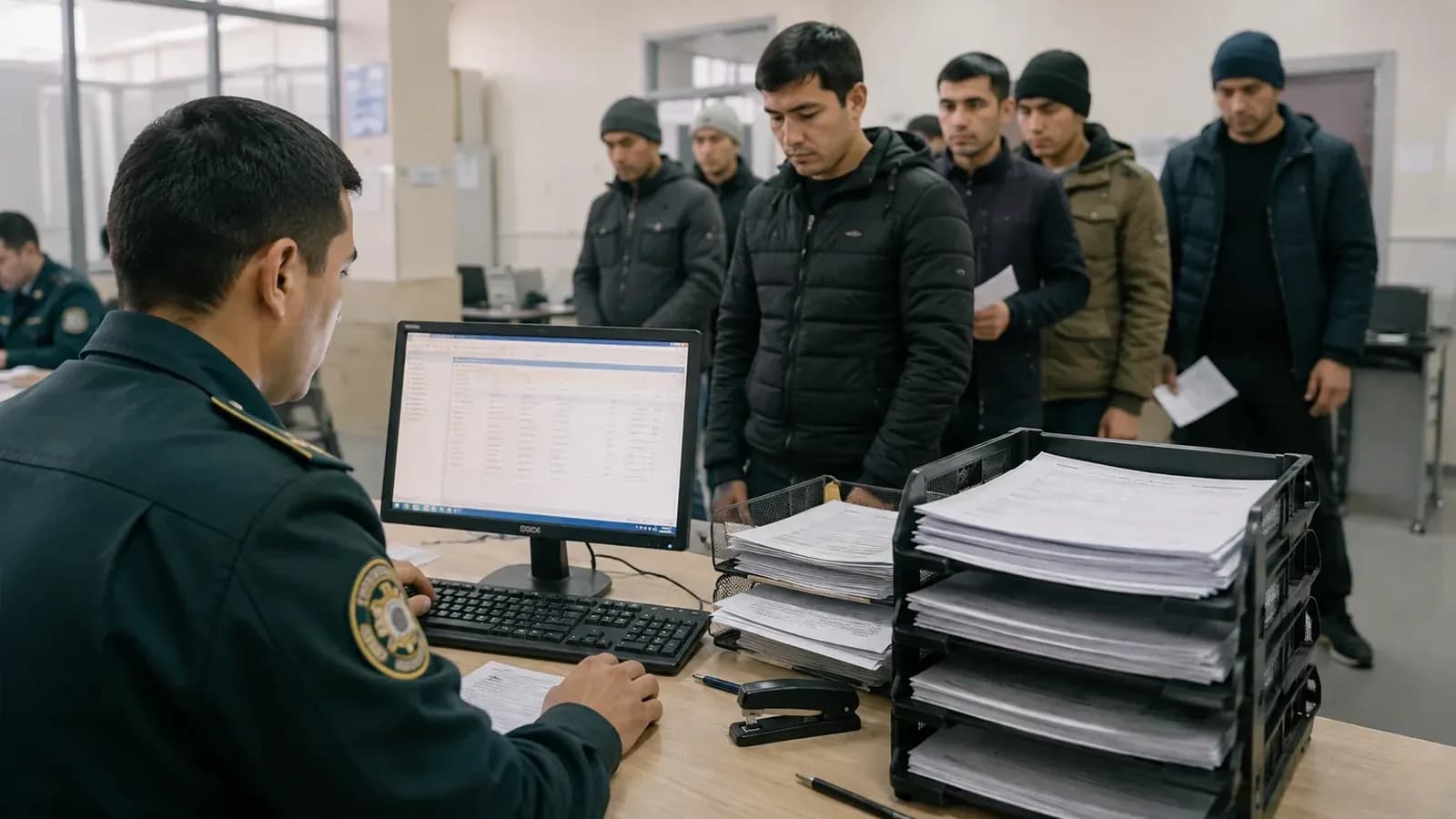
In Surgut, the issue of tightening measures against the foreign labor force, which has been making a huge contribution to the economic development of the region, was discussed. State Duma deputies Vladimir Sysoev and Andrey Lugovoy, who arrived in the city, analyzed the situation with labor migrants in the country and even attempted to link the issue to the historical processes of 1917.
Mass migration in 2010–2020: A natural need or conspiracy theory?
Federal experts were particularly drawn to the situation observed in the Yugra region (Khanty-Mansi Autonomous Okrug) between 2010 and 2020. During this period, due to the sharp growth in the construction, oil and gas, and service sectors in the region, many workers from Central Asian republics were recruited. However, the deputies are inclined to explain this natural economic process and the demand for labor with various political theories.
State Duma deputy Andrey Lugovoy stated his intention to investigate the matter:
— "It is interesting why the number of migrants in the region has increased so much and what it is connected with. There are various rumors that there was an attempt to make the population of Yugra exceed that of Tyumen. Let's check what actually happened, what conditions were created for them, and how much money was spent on this."
Increasing pressure and its consequences
Deputies expressed satisfaction with the results of the strict measures and restrictions implemented in the region in recent years. Authorities present the decline in indicators against the backdrop of these restrictions as a positive result.
The figures provided by Dmitry Pechyonkin, head of the public safety department of the Surgut administration, show that conditions for foreign workers in the region are becoming increasingly difficult:
- The number of workers initially registered for migration has decreased by 26.6 percent. - The number of those who managed to obtain citizenship of the Russian Federation has decreased by 2.3 times. - The number of offenses committed by foreign citizens has decreased by almost three times.
According to experts, excessive tightening of migration rules could lead to a labor shortage in important infrastructure projects in the region. Despite this, control raids and a policy of pressure continue at both the federal and regional levels.