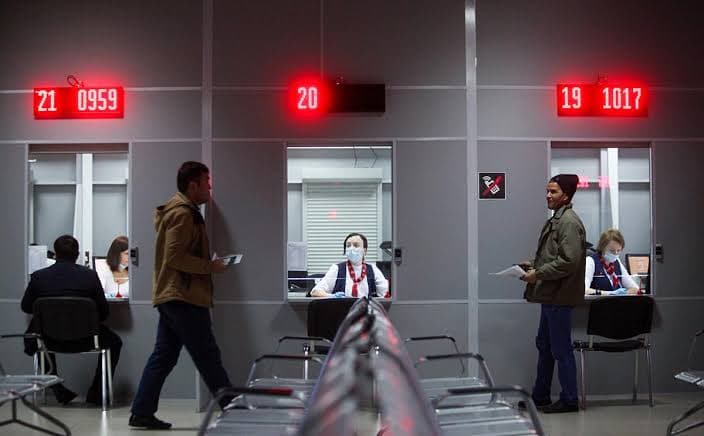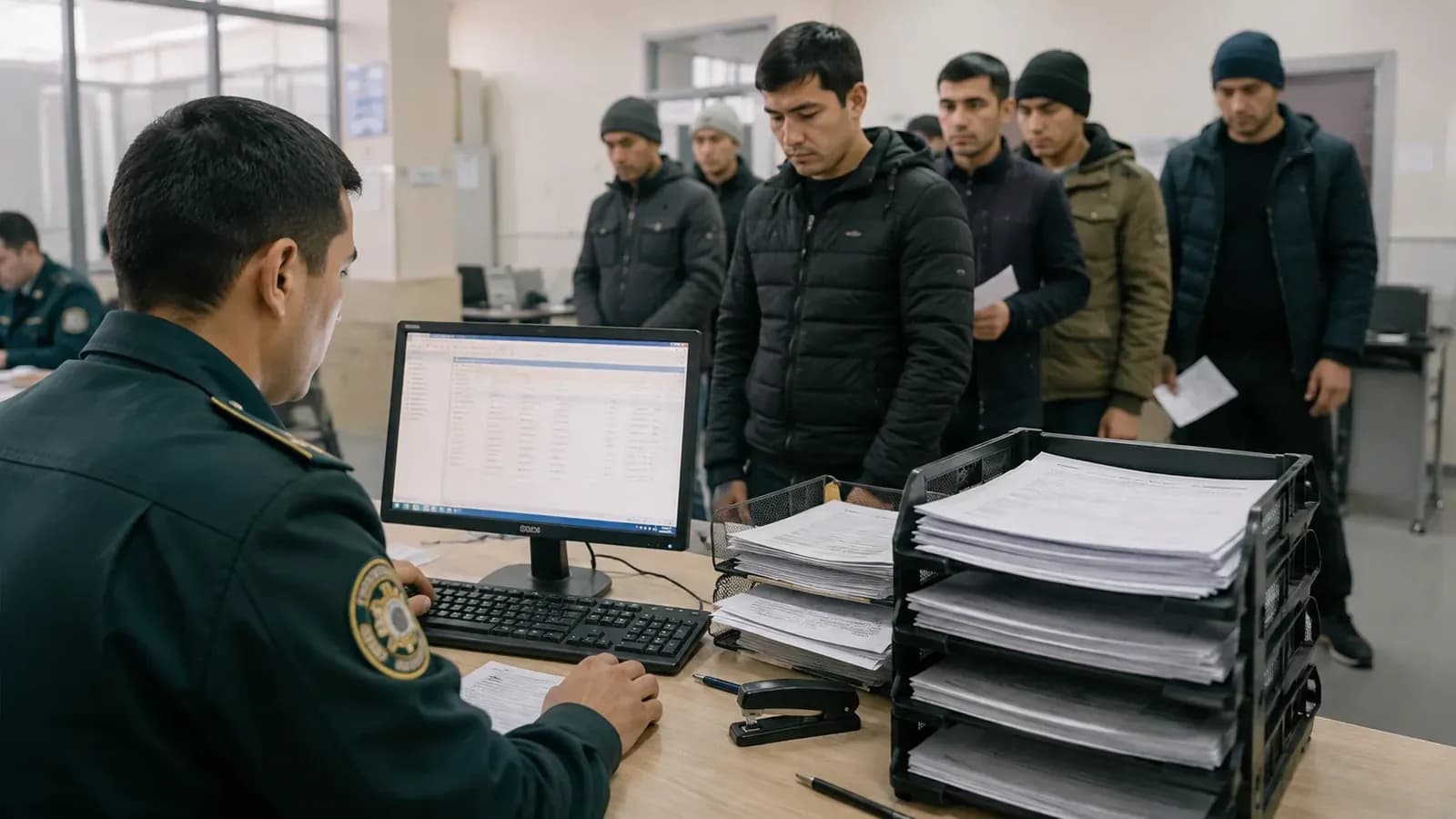
The Orenburg District Court found a 39-year-old local resident guilty of the fake registration of foreign citizens. According to investigators, throughout 2024, the individual registered 268 foreign citizens at his home address, but did not actually provide them with a place to live.
By the court's decision, the defendant was sentenced to two years of compulsory labor. It was determined that these actions were carried out for profit, and at the address known as a "rubber house," hundreds of migrants were registered on paper but did not actually reside there.
Under Russian law, registering without an actual place of residence is considered "fake registration." When such cases are identified, not only the homeowner but also the foreign citizens who used the fake documents may face legal consequences.
Migrants are advised to use only legal channels for document processing and to register at their actual place of residence. If cases of fake registration are discovered during inspections, the migration status of the foreign citizens may be subject to review.