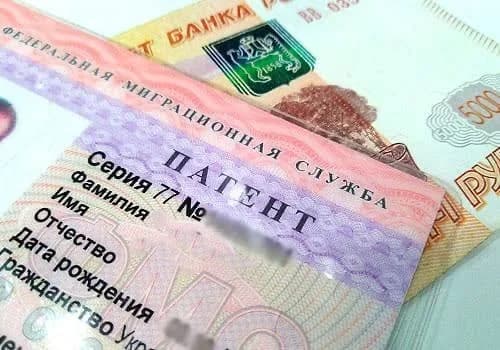
In Russia's Primorsky Krai, it is expected that starting from 2027, restrictions in the transport and logistics sector for foreign citizens working under labor patents will be partially lifted.
A draft of a new gubernatorial decree, prepared by the regional Migration Policy Agency, has been submitted for public discussion. According to the document, the list of sectors prohibited for migrants will be reduced from 88 to 83.
Under the new draft document, work in warehouses, cargo storage, and transport handling (loading and unloading) will be removed from the list of prohibitions for migrants.
This decision is being made to facilitate the expansion of seaports, terminals, and large transport and logistics centers (TLCs) in the region, as well as to bring new investment projects to full capacity. According to official data, starting from 2027, large logistics hubs will be commissioned in Primorye, which will require additional labor that cannot be covered by local personnel.
The easing of restrictions applies only to freight transport and logistics infrastructure, while the labor of migrants working under patents remains prohibited in the following areas:
• Public transport and taxis: drivers of buses, trams, trolleybuses, and light taxis.
• Hazardous goods: transportation of chemical or hazardous substances and pipeline transport.
• Critical infrastructure: energy, water and heat supply, communications, and healthcare systems.
Regional authorities emphasize that maintaining these restrictions serves to ensure employment for the local population and maintain security control.
Currently, enterprises and organizations in Primorsky Krai have a demand for 52,968 workers. The largest labor shortages are observed in construction (28.9%), manufacturing (13.7%), and agriculture and fishing (11%). There are no restrictions on foreign workers with patents in these sectors.
According to the regional Main Directorate of the Ministry of Internal Affairs, as of October 1, 2026, more than 47,000 foreign citizens are working in the region. About 20,000 of them (42-44% of labor migrants) operate on the basis of a patent. Labor migrants account for 4.9% of the total employed population in the region's economy.