Sanitary control at Russian borders tightened due to the risk of Ebola virus spread.
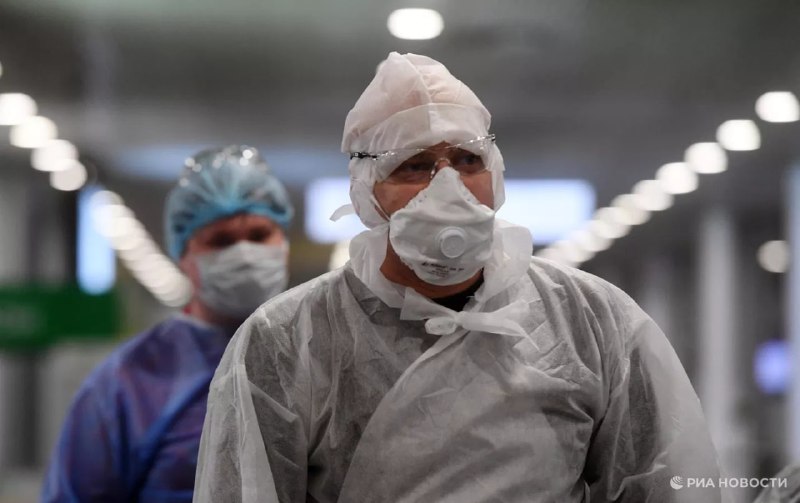
According to the head of Rospotrebnadzor, Anna Popova, the country's border guards are strictly monitoring and promptly transmitting information about all citizens arriving from regions with a high risk of infection, including those traveling via transit routes.
Under the new procedure, if passengers arriving in Russia exhibit high body temperature or other signs of deteriorating health, they are immediately hospitalized. At the same time, Russian specialists are providing close assistance to Uganda, which borders the Democratic Republic of the Congo—the country most affected by the epidemic—in fighting the disease. Doctors in African countries have been supplied with unique Russian test systems capable of rapidly detecting the disease, including its rare "Bundibugyo" strain. World Health Organization Director-General Tedros Adhanom Ghebreyesus called this Ebola epidemic in Congo the fastest-developing in history and expressed concern over the existence of transmission chains still unknown to doctors. According to official data, the number of infected people in Congo has reached 6,942, of whom 3,349 have died, and the epidemic has already spread to 7 provinces of the country.
Medical note: Ebola fever is an acute viral infection with a high mortality rate, transmitted to humans through the body fluids of sick animals or infected people. To protect against the disease, it is necessary to observe personal hygiene and avoid traveling to regions where the virus is spreading.
__*This article is for informational purposes only and cannot replace professional medical advice.