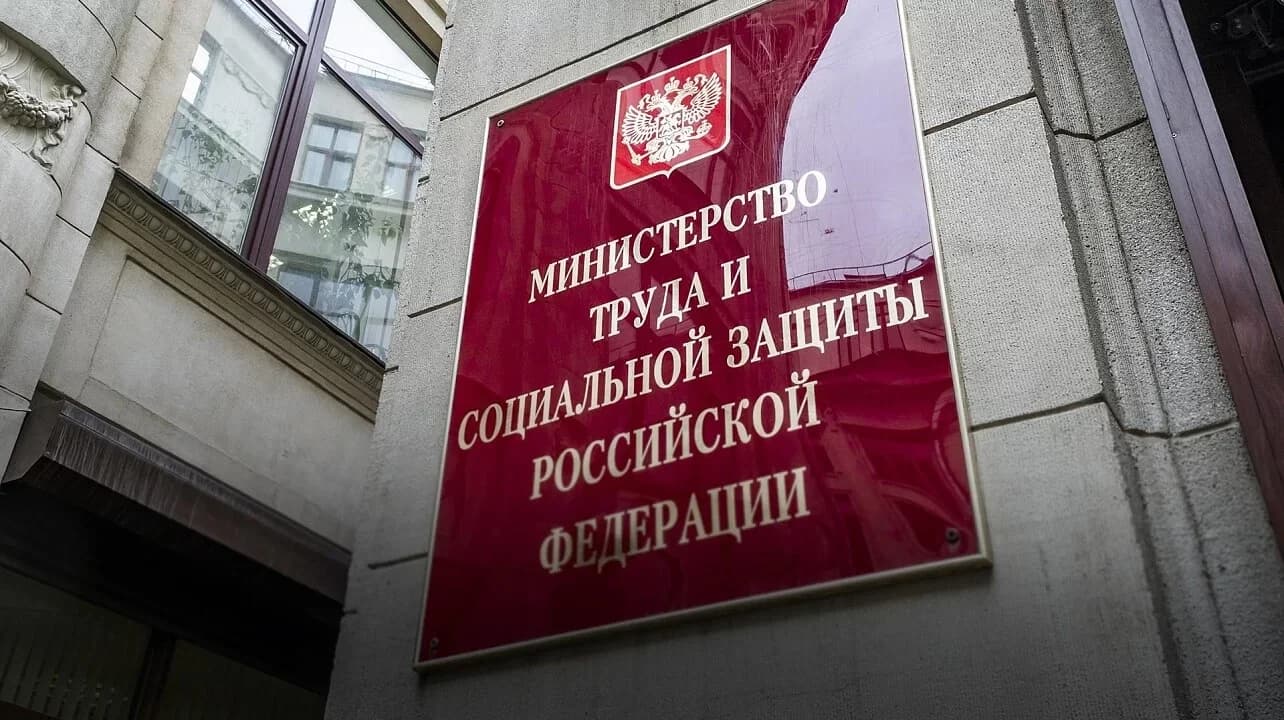
According to the Russian Ministry of Labor, the country's economy will need nearly 3 million skilled professionals over the next seven years. The shortage of personnel is particularly acute in the machinery, metallurgy, and food industries. At the same time, although more than 1.6 million unemployed citizens are registered in the country, there is a mismatch between them and the available job vacancies.
The situation varies across different Russian regions. For instance, there is a high demand for doctors, construction workers, drivers, and chefs in the Arkhangelsk, Irkutsk, Ryazan, and Bryansk regions. Meanwhile, the unemployment rate remains high in the North Caucasus republics. However, the willingness of the population to relocate to remote regions with higher wages, such as the Amur Region, remains low.
As seen in the case of the Amur Region, the regional administration is pursuing a policy of reducing reliance on foreign labor in favor of local talent. Due to the construction of large gas processing plants, the number of high-paying vacancies in the region has increased sharply. However, due to the low mobility of labor resources, the problem of personnel shortages persists throughout the country.
Experts note that regions with developed infrastructure and major industrial centers have an advantage in attracting the population. The average monthly salary across Russia varies significantly by region, which remains one of the key factors influencing the choices of job seekers.