In recent days, reports stating that "a new dangerous strain of COVID-19 is entering Russia, people are being urged to wear masks, and those who are not vaccinated will be fined" have been widely circulating on social media and some news outlets, causing various discussions among the public.
So, how true are these reports? What do official sources and experts say about this?
1. Does the new 'PJ.2.1' strain actually exist? Yes. According to virologists, the PJ.2.1 ("ultramutant") strain, identified in Canada in May 2026 and later recorded in the US and Spain, has the potential to enter Russian territory. However, Rospotrebnadzor and healthcare experts emphasize that this is just another seasonal mutation of the virus, and no emergency epidemiological threat or new pandemic wave has been declared so far.
2. Has the mandatory mask regime returned? No. A mandatory mask mandate has not been introduced across Russia. Due to the increase in ARVI, flu, and coronavirus cases during the autumn-winter season, doctors only recommend wearing masks in crowded places and on public transport. Mandatory restrictions may only be applied at a local level in medical institutions in certain regions.
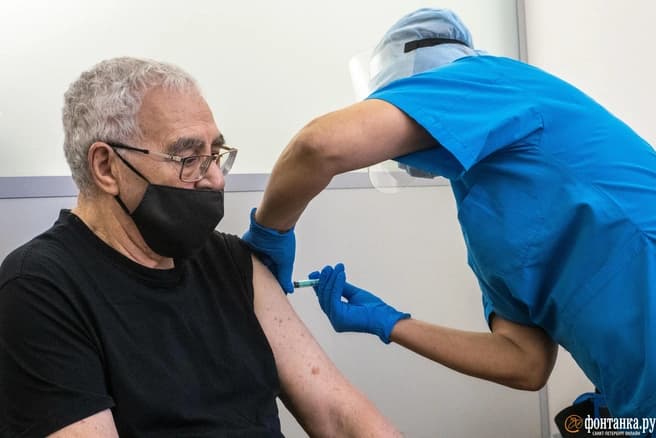
3. Will those who refuse vaccination be fined? No, there is no such law or official decision. The sensational news that spread originated from a personal suggestion by Elvira Ribinskova, head of the vaccine prophylaxis department of the Sverdlovsk region. She only criticized the increase in vaccination refusals among parents and youth and put forward the idea of applying fines. This proposal has not been considered at the legislative level, and in practice, no fines are being imposed.
Conclusion General quarantine, a mandatory mask regime, or fines for unvaccinated citizens have not been introduced in Russia. The alarmist headlines circulating online are not official decisions, but rather a misinterpretation of materials prepared based on the recommendations and personal opinions of experts.
For information: We ask our compatriots currently in Russia to rely only on official sources (Rospotrebnadzor and the Ministry of Health) and to follow personal hygiene rules to protect themselves from seasonal illnesses.