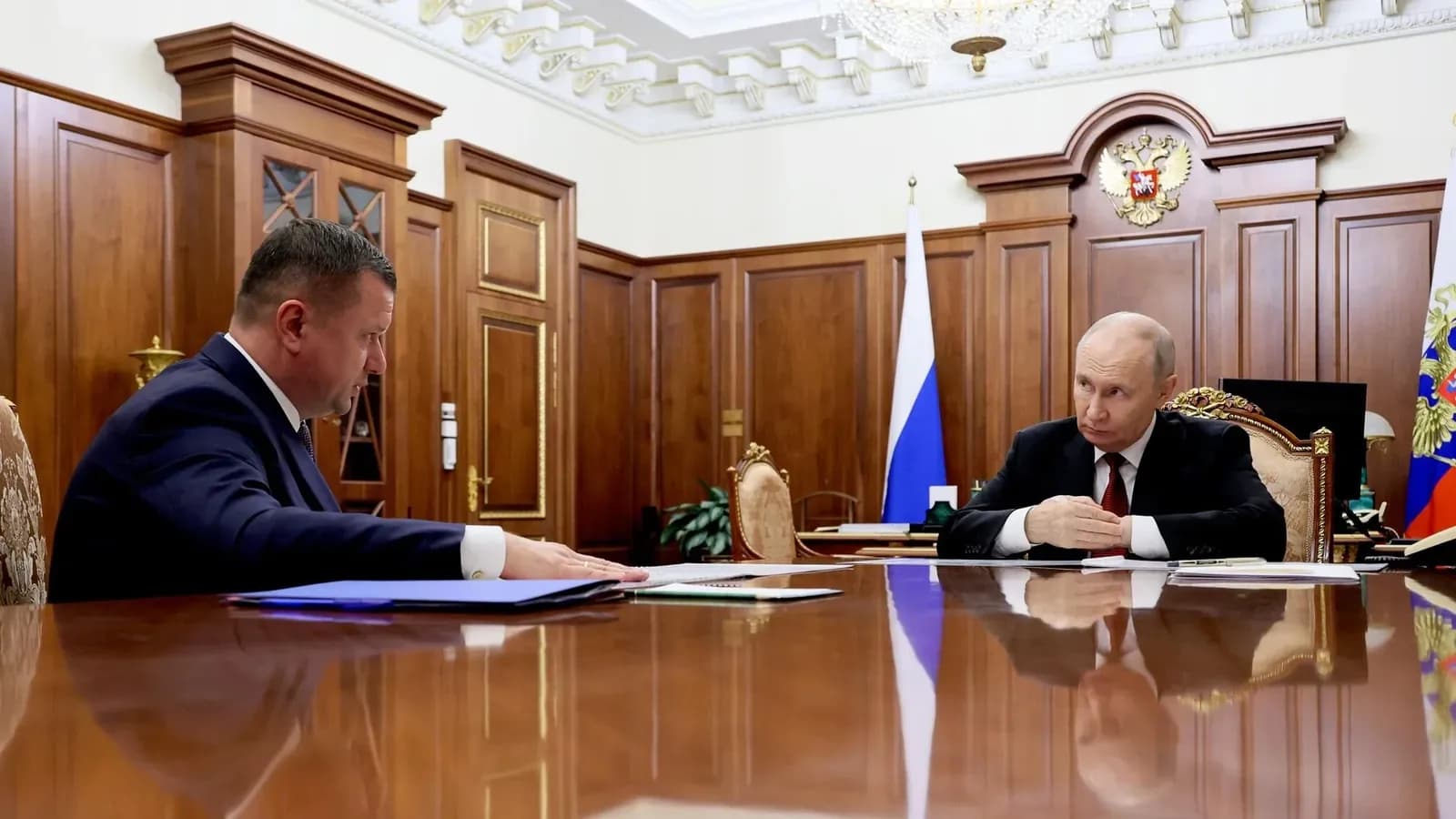
President of the Russian Federation Vladimir Putin held a working meeting in the Kremlin with the First Deputy Minister of Internal Affairs and Head of the Service for Registration of Foreign Citizens and Citizenship, Police Colonel-General Andrey Kikot. During the meeting, they discussed the final results of the state migration policy implemented over the last year and a half and the deep structural reforms expected in the future. According to official reports presented on the eve of the professional holiday of migration agency staff, about nine million foreign citizens currently visit Russia annually for various purposes. At any given time, there are between six and six and a half million foreigners in the country, of whom about three million are labor migrants, more than one and a half million are their family members, and the rest are tourists and students. Although eight hundred thousand foreigners who violated migration legislation were identified and placed on the registry of controlled persons, strict systemic measures resulted in an eight percent decrease in the flow of illegal migrants, and the share of legal labor migration in the total mass reached fifty percent, showing a positive growth trend.
Within the framework of the strategic concept proposed by the President, the task of limiting the unjustified stay of non-working family members was successfully implemented. Due to new strict criteria for school enrollment, the number of such persons was reduced by twenty percent. Furthermore, according to a new legal change, a Federal Law will come into force on January 1, 2027, obliging every foreign citizen working in Russia to pay an additional tax to the state for each family member living in the country who is not officially employed. At the same time, due to the migration service being granted additional operational-investigative powers to combat crime, the total number of crimes committed by foreigners decreased by nearly forty percent in the current half-year, as the agency's primary focus shifted from minor offenses to exposing organized criminal groups, illegal migration channels, and underground printing houses producing fake documents. As a result of strengthened control measures, the number of raids increased by one hundred fifty-five thousand, and the volume of inspected legal entities grew by forty-three percent, leading to the administrative expulsion of about one hundred thousand migrants, a ban on entry to Russia for one hundred ninety-seven thousand violators, and a tenfold increase in the detection of fake marriages with forged documents, resulting in the cancellation of twenty thousand temporary residence permits and residence permits.
As part of the technical and logistical support for these large-scale reforms, the Russian police established twenty-three special migration control points in border areas and major transport hubs. A new algorithm developed in cooperation with the Federal Security Service and the Ministry of Transport allowed for blocking illegal migrants at the border upon entry and completely closing the right of re-entry for expelled violators. Moreover, starting next year, a modern Analytical Center based on artificial intelligence technologies will be launched, which will integrate all cameras, border data, and employer databases into a single digital system. The new "Orgnabor" (Organized Recruitment) bill, considered the most revolutionary innovation in the migration sector and currently being coordinated by the government, is planned to be implemented smoothly in three stages of two years each. According to it, the practice of a foreign worker arriving in Russia independently to look for a job will be ended. Now, the process will be carried out solely based on an official request from an employer through a special operator who will handle the selection of specialists abroad, their legal processing, and delivery directly to the workplace. Under the obligations of the new law, large and medium-sized enterprises will be required to provide migrants with specialized housing and transport for commuting, which will form a closed "Home – Work – Home" control cycle and guarantee the worker's return to their homeland in the same manner upon the expiration of the contract.
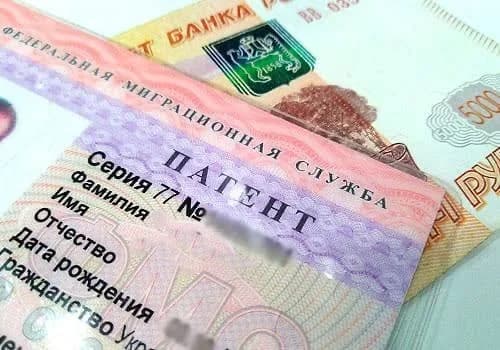
President Vladimir Putin emphasized that this new system is the most civilized method for both sides, as it protects the legal rights of labor migrants while ensuring the national interests of Russian citizens as a priority. He noted the need to expand centers for teaching the Russian language and legislation in the countries of origin of migrants and the importance of supporting this process at the government level. These systemic reforms and legalization processes have shown very high economic efficiency, ensuring that three hundred twenty-one billion rubles flowed into the state treasury due to migration processes over the past year and a half. More than sixty billion rubles of these funds, formed mainly through labor patents, were directed to the federal budget, and more than two hundred fifty billion rubles were directed to regional budgets. It was firmly determined that measures to increase the economic and legal stability of the country through the further orderly development of legal labor migration will be continued.