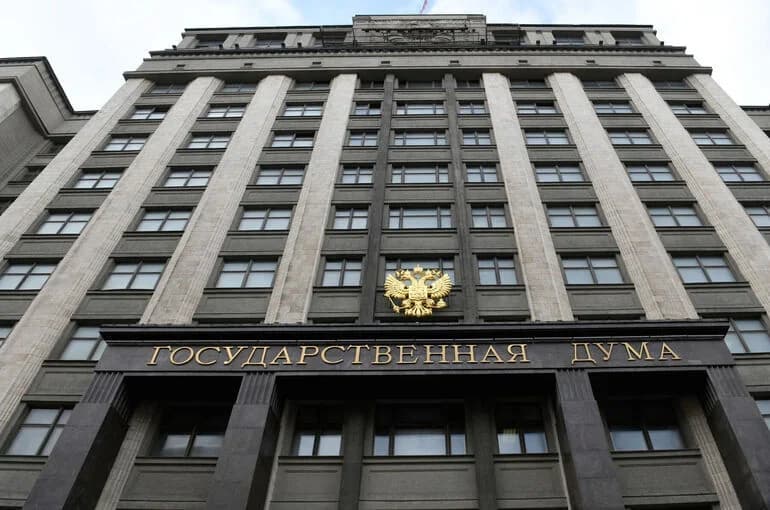
The State Duma of Russia has adopted 32 federal laws regulating the migration sector since 2024. These changes are aimed at combating illegal migration and ensuring that foreigners arriving in Russia for work or study comply with the laws.
One of the introduced innovations is the regime for the expulsion of illegal migrants and a registry of controlled persons. Those included in this registry cannot purchase real estate or vehicles, take out loans, get married, or move freely across the country. Also, as part of an experiment that will run until December 31, 2027, biometric data of migrants is being collected at the borders.
Financial and legal requirements for migrants have also been tightened. The state fee for obtaining a residence permit (VNJ) has been increased from 6,000 to 30,000 rubles. To receive free medical care, a foreign citizen must have worked legally in Russia for at least five years. Furthermore, organizing illegal migration has been classified as a particularly serious crime, punishable by up to 15 years in prison and a fine of up to 5 million rubles.
New procedures have also been introduced in education and family matters. Migrant children must pass a Russian language test before being admitted to school, and their legal status in Russia must be verified. Additionally, to prevent sham marriages and adoptions, RVP or VNJ documents can now only be obtained at least three years after the marriage or adoption of a child.
The grounds for revoking Russian citizenship have also been expanded, with the number exceeding 80. These include failure to register for military service, public calls for terrorism, and organizing illegal migration. Labor migrants are required to allocate certain funds to support themselves and their family members, and their children are required to leave Russia upon reaching adulthood.